

Album Review
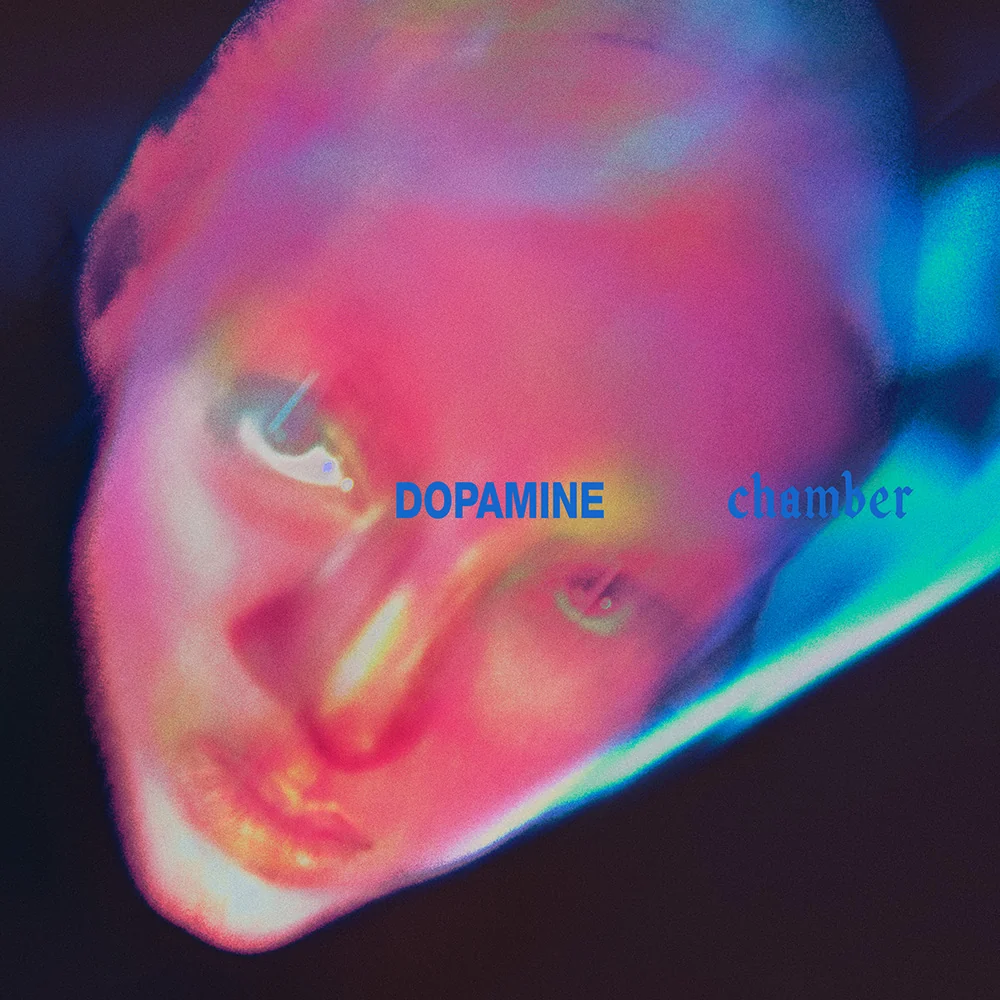
After releasing a string of very strong singles, including Marianne and Where Is Gone?” featuring Rosalia, Fontaines D.C. have finally released their highly anticipated fifth album, Dopamine Chamber.
This time James Ford returns to the producer’s chair, following on from the success of 2024’s Romance. For Dopamine Chamber, the band originally wanted to go in a completely different direction before ultimately deciding to continue building upon the foundation achieved on their previous albums.
Dopamine Chamber’s themes seem to focus around the allure of everything that modern life offers us – despite the obvious ugliness lying just below the surface of a life filled with AI, dating apps, and ordering Uber Eats from your bedroom because you can’t face using the kitchen at the same time as your flatmates.
Six Shot Morning
The album opens with Six Shot Morning, first debuted at a gig in Cádiz, Spain back in August. With its synthy, menacing opening sounds, the track does a good job of introducing us to the album’s sound – but not much else, really. The ending has a very welcome shift in gear, but the first half is very dirge-like and takes a while to get going. Weirdly, the vocal melody reminds me of David Bowie’s Girl Loves Me from Blackstar, a potential influence on the album’s overall sound. Overall, it’s a good introduction to the album’s sound and themes, but not much more than that.
Marianne
From here we move onto Marianne, which was also debuted at the same gig as Six Shot Morning. I enjoyed this one as a single with its strings and dark, menacing Blade Runner vibes. In the context of the album, it works very well – you could say Six Shot Morning walks so Marianne can run.
Mimesis
The third track of the album is one of its strongest. You can hear a strong New Order influence here with its heavily modulated, Peter Hook-style bass. Interestingly, in Greek, mimesis means imitation or representation, which fits in nicely with the song’s subject matter: emotional disconnection, identity, and the desire for external validation.
Happy For You
The track opens with a rather sinister-sounding guitar line, not a million miles away from Nirvana’s Come as You Are, accompanied by Grian’s gentle vocals. There’s a gothic sound here that wouldn’t sound out of place on a Sisters of Mercy song. The track switches gears in the latter half with some big bursts of heavily distorted guitars.
Demolition
Here is where the album starts to lose me a bit. I can see that they were going for a huge, stadium-sized rocker, but unfortunately, there’s not a whole lot of variation here. It gets repetitive after a while with its slightly annoying choruses and lack of actual verses.
Tongue
One of the weirder ones on the album, strangely enough, it was also released as a single. The track opens with a tongue-twister-sounding refrain (oh she has a tongue to tear apart your life) that appears throughout the track pitch-shifted up. The track then moves into a few different sections with very distinct vibes. To be honest, I’m not sure about this one either, though towards the end there are some nice strings.
One Man
Some very reverby/echoey vocals on this one; it also happens to contain the album title in the lyrics. It’s another track that builds from a very slow start. Although it has some nice shifts, it doesn’t really do much for me. The lyrics feel a bit undercooked, and the “I’m only one man” chorus gets a bit repetitive after a while, especially in the outro.
Where Is Gone?
A return to form. One of my favourites from the album and my favourite single in the run-up to the release. Rosalía’s and Grian’s vocals work really well together here, and I’m also a big fan of the very Bond-esque strings in the background. The subject matter of the song fits the album’s themes pretty well, though weirdly enough, it seems to be one of the more hopeful songs on the record: even within an emotionally dead relationship, there are moments of tenderness and love.
You Miss Me
You Miss Me is another great track. Sonically, it’s really interesting, sharing a similar menacing vibe to “Marianne”. I’m not sure if that’s a synth in the background or strings with some sort of pitch-shift effect on them, but either way, it sounds great. The song’s huge chorus took me by surprise at first – it almost seems like it could have been tacked on from another song- however, it somehow seems to work.
Japan
A nice acoustic-led track with some jangly, arpeggiated guitars that are very pleasant on the ears, a welcome change of pace from an otherwise dark and dystopian-sounding album. The lyrics, on the other hand, paint a very different picture, revolving around some sort of weird boyfriend/situationship dynamic. Structure-wise, it’s another funny one, featuring just one verse against three choruses.
Intimate
Here, it seems that Fontaines have saved potentially the album’s weirdest and darkest song for last. This isn’t a very pleasant listen—though I suppose that’s the whole point of the song – with its repetitive “dying and dying and dead” chorus. It’s a bit of a dirge, though it does tie the themes of the record together and, like “Six Shot Morning“, serves as a bookend to the album’s core ideas.
In Summary
Overall, this is another great album from Fontaines with some very strong songs – particularly Where Is Gone?, Japan, and Mimesis – although it doesn’t quite hit the same highs as previous albums like Skinty Fia. It is the darkest album they’ve released so far by some margin, though not without some brief glimmers of hope (e.g., Where Is Gone?).
With its huge, synthy soundscapes, this is perfect nighttime driving music. With Dopamine Chamber, Fontaines D.C. have proved that they remain one of the most interesting and consistent bands out there at the moment. You can also tell that Grian has really upped his vocal game on this one.
That said, the album is not without its missteps. A lot of the songs seem to follow the same formula: atmospheric, brooding beginnings followed by a slow build to big, loud endings. It’s very effective when used sparingly, but after hearing it so many times, it gets a bit tiresome. Lyrically, at times it’s a bit weak too, relying on a lot of repetition. A significant amount of the songs seem to feature only one verse, which serves as the only variation apart from the choruses.
Though the record contains some of Fontaines’ best work, the album loses me a bit around the middle section between “Demolition” and “One Man”, before returning to form with “Where Is Gone?”. Unfortunately, it seems they don’t quite stick the landing with the closer, Intimate.